MEDINDIA
 English
 हिन्दी
 Español
 français
 中文
中文
Ceruloplasmin mRNA in blood shows promise as a new early warning signal for liver cancer.

Accurate quantification of cellfree Ceruloplasmin mRNA as a biomarker for early detection of hepatocellular carcinoma
Go to source).
TOP INSIGHT

Did You Know?
Over 59% of liver cancer patients with low AFP had high CP mRNA—this new blood test could catch what others miss.
#hepatocancer #medindia
Why AFP Falls Short — and Why We Need More
Alpha-fetoprotein (AFP) has long been the go-to blood biomarker for hepatocellular carcinoma (HCC), but its sensitivity—especially in early stages—is critically limited . Many patients with small or early-stage tumors show normal AFP levels, making the cancer easy to miss. This study found that in 59.1% of AFP-negative HCC patients, CP mRNA levels were elevated, flagging cancer where AFP didn’t . Even in very early-stage HCC (BCLC 0 and A), CP mRNA correctly identified 67.9% of cases, compared to just 46.4% by AFP. These findings position CP mRNA as a complementary and possibly superior marker for early detection. For clinicians, it’s a game-changing shift in identifying high-risk patients who would otherwise go undetected.
Radiofrequency Ablation (RFA) for Liver Cancer Tumors
All you need to know on Radiofrequency Ablation (RFA) therapy for liver cancer including treatment, risk factors, side effects and more.
All you need to know on Radiofrequency Ablation (RFA) therapy for liver cancer including treatment, risk factors, side effects and more.
Science Behind the Test — How CP mRNA is Measured
To overcome the limitations of current diagnostics, the researchers developed a novel semi-nested RT-PCR assay that amplifies ceruloplasmin (CP) mRNA with exceptional sensitivity. This method uses two rounds of amplification, enhancing accuracy even when CP mRNA levels are low in blood plasma. It includes an internal control (IC) gene, allowing for precise normalization across tests. The process concludes with DNA melting analysis, which distinguishes the target gene from the control based on their distinct melting temperatures (79.1°C for CP and 86.1°C for IC). These precise techniques allow for accurate quantification of CP mRNA levels and reproducibility across samples, making the method both robust and clinically practical. It's a significant leap forward in liquid biopsy technology.
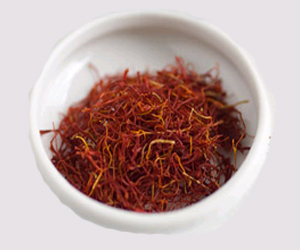
Study Finds Saffron may Help Prevent Liver Cancer
Saffron, a commonly used spice that adds flavour and colour to foods, provides a significant chemopreventive effect against liver cancer in animal models, a new study has found.
Saffron, a commonly used spice that adds flavour and colour to foods, provides a significant chemopreventive effect against liver cancer in animal models, a new study has found.
Power in Numbers — Diagnostic Performance & Clinical Promise
The newly developed CP mRNA assay demonstrated remarkable diagnostic performance, with an AUC of 0.812 when comparing HCC patients to healthy controls—highlighting its high discriminatory power. It also achieved 74.5% sensitivity and 80.65% specificity, making it effective even for early detection and AFP-negative cases. Moreover, in combination with AFP, CP mRNA provided synergistic diagnostic strength, identifying cases that would otherwise slip through the cracks. Its ability to detect subtle changes in tumor-related gene expression without invasive procedures makes it a powerful tool in the evolving landscape of cancer diagnostics . As the first clinical study to validate CP mRNA as a blood biomarker, this opens the door to transformative changes in liver cancer screening.References:
- Accurate quantification of cellfree Ceruloplasmin mRNA as a biomarker for early detection of hepatocellular carcinoma- (https://www.nature.com/articles/s41598-025-99302-3)
Source-Nature
 Email
Email